Is Heroin Possession a Felony in Illinois?
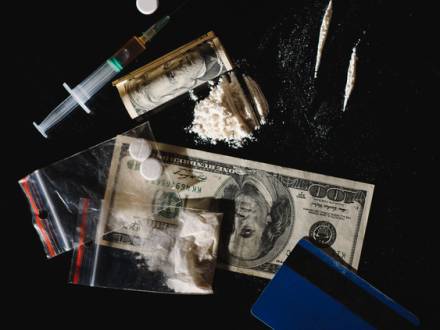
Knowingly possessing any amount of heroin is a felony under Illinois law. The penalties depend on the amount and whether prosecutors allege intent to deliver. If you face heroin-related charges in 2026, our Joliet, IL drug crimes defense lawyers can review the evidence and explain your options.
What Does Illinois Law Say About Heroin Possession?
Under 720 ILCS 570/402, knowingly possessing less than 15 grams of heroin is a Class 4 felony. The standard prison range is one to three years, although probation and other sentencing options may be available.
At 15 grams, possession becomes a Class 1 felony, not a Class X felony. The prison range is four to 15 years for 15 to less than 100 grams. For 100 to less than 400 grams, it increases to six to 30 years.
The ranges rise again to eight to 40 years for 400 to less than 900 grams, and 10 to 50 years for 900 grams or more. These larger amounts remain classified as Class 1 possession offenses, with special sentencing ranges.
How Is Heroin Weight Calculated for Illinois Possession Charges?
Illinois measures the total weight of a substance containing heroin, not just the pure heroin. If heroin is mixed with other substances, the mixture counts toward the legal amount. Packaging does not count.
That difference matters near the 15-gram threshold. A disputed weight could change the felony classification and possible sentence. Your attorney can review laboratory testing and evidence handling.
Prosecutors must also prove that you knowingly possessed the substance. Finding heroin inside a shared car or home does not automatically prove which person had control over it.
When Does Heroin Possession Become Possession With Intent to Deliver in Illinois?
Possession with intent to deliver is a separate charge under 720 ILCS 570/401. Prosecutors must prove more than possession. They must establish an intent to deliver the substance to someone else.
Evidence might include individual packaging, scales, cash, messages, or statements. The court considers what this evidence shows about whether you intended to deliver the drugs. The full circumstances matter.
The penalties are more serious. For example, possession with intent to deliver 15 to less than 100 grams of heroin is a Class X felony carrying six to 30 years. Certain delivery-related offenses can also carry extra penalties based on location or other circumstances.
Can a First-Time Heroin Possession Charge Be Dismissed in Illinois?
Some defendants charged with Class 4 possession qualify for first-offender probation. The court can order 24 months of probation without entering a conviction. If the defendant completes every requirement, the charge is dismissed.
This option does not cover every heroin charge. Eligibility depends on the offense, prior drug felony convictions, and other legal requirements.
Will County also operates a drug court for eligible defendants who need treatment. Successful completion can result in dismissal, but participation involves strict conditions. Failure can lead to sentencing.
Illinois provides limited protection from certain drug charges when someone seeks emergency help for an overdose. For heroin, this can apply to less than three grams if the evidence and circumstances meet the law's conditions.
Can Police Search Your Car for Heroin During an Illinois Traffic Stop?
Police need a lawful reason to stop a vehicle and a valid legal basis for a search. Your attorney can review dashcam video, body-camera recordings, search warrants, and any claimed consent.
If a judge excludes heroin found through an unlawful search, prosecutors may have difficulty proving the case. But excluding that evidence does not guarantee the charges will be dismissed.
What Should You Do After a Heroin Possession Arrest in Joliet?
Protect your legal rights while keeping any evidence that could help your defense:
-
Ask to speak with an attorney before answering questions about the drugs.
-
Do not agree to a voluntary search without legal advice, and never obstruct a lawful search.
-
Save arrest paperwork and write down where the drugs were found and who had access to that location.
-
Preserve messages, receipts, and other records; do not alter or delete evidence.
Tell your attorney about any immigration concerns or treatment needs. Your lawyer can discuss appropriate evaluations and whether a treatment-based option fits your case.
Schedule a Free Consultation With Our Plainfield, IL Drug Crimes Defense Attorneys
At Reeder & Brown, P.C., our attorneys bring over 30 years of combined experience handling criminal cases from both the prosecution and defense sides. We review how the evidence was found, what the laboratory results establish, and whether treatment or probation is available.
If you are facing heroin possession charges in 2026, contact Reeder & Brown, P.C. at 815-885-5980 to speak with our Joliet, IL drug crimes defense lawyers.

Fill out the form below to schedule a consultation.
 The use of the Internet or this form for communication with the firm or any individual member of the firm does not establish an attorney-client relationship. Confidential or time-sensitive information should not be sent through this form.
I have read and understand the Disclaimer and Privacy Policy.


From our office in Joliet, Illinois we serve the communities of Plainfield, Lockport, Crest Hill, New Lenox, Mokena, Romeoville, Homer Glen, Bolingbrook, Naperville, Aurora and Will County.
Results listed are not a guarantee or indication of future case results.
58 North Chicago Street, Suite 404, Joliet, IL 60432815-885-5980