Can Prescription Pills Lead to Criminal Drug Charges?
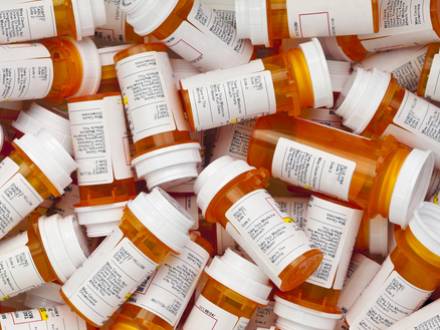 Prescription pills can lead to criminal drug charges in Illinois, and it can happen to people who never expected to find themselves in this situation. Having a pill bottle with your name on it does not always protect you from arrest. The circumstances around how you got the medication, how you are carrying it, and what the police think you plan to do with it all matter under Illinois law.
If you are facing charges related to prescription medication in 2026, our Joliet, IL drug crimes defense lawyers at Reeder & Brown, P.C. are here to help you figure out where you stand and what to do next.
Can You Be Arrested for Having Prescription Pills in Illinois?
Under the Illinois Controlled Substances Act, prescription medications are treated as controlled substances. That means they are subject to the same possession laws as other drugs. Having a prescription gives you the legal right to possess that medication in the amount your doctor ordered. However, there are situations where even a prescribed drug can lead to an arrest.
Carrying pills outside of their original labeled container can raise suspicion and may lead to charges if you cannot show the medication was lawfully prescribed to you. You can also be charged if the amount you have does not match your prescription, or if police believe the pills belong to someone else. Illinois law also treats getting a prescription through fraud or deception as its own separate crime.
What Happens if You Are Caught With Someone Else's Prescription Pills in Illinois?
This is one of the most common ways people end up facing drug charges they did not see coming. Taking a painkiller from a family member, borrowing a friend's anxiety medication, or picking up someone else's prescription can all result in a possession charge under 720 ILCS 570/402.
Depending on the type of medication and the amount found, charges can range from a Class 4 felony with one to three years in prison up to a Class X felony. A Class X felony carries a minimum of six years in prison and applies when there are larger amounts or signs of distribution.
What Is Prescription Fraud and What Are the Penalties in Illinois?
Prescription fraud means getting a controlled substance through some form of deception. Some common examples include:
-
Forging or changing a prescription
-
Calling a fake prescription into a pharmacy
-
Seeing multiple doctors to get more of a drug than any one doctor would prescribe, sometimes called doctor shopping
-
Using someone else's name or identity to fill a prescription
Under 720 ILCS 570/406, prescription fraud can be charged as a felony. A conviction can mean prison time, large fines, and a permanent criminal record. Penalties go up if the fraud involves Schedule II drugs. That category includes commonly misused medications like oxycodone, Adderall, and fentanyl.
Can Prescription Pills Lead to an Intent-to-Deliver Charge in IL?
Possession with intent to deliver is a much more serious charge than simple possession. It can apply to prescription pills just as much as it does to street drugs. Prosecutors look at things like how many pills were found and whether they were split into separate bags or containers. They also look at whether cash was present and whether there were text messages or other signs of sales activity.
In 2025, Illinois increased penalties for fentanyl and fentanyl-laced substances. Even a small amount can now lead to enhanced sentencing if it looks like it was packaged for distribution. This makes it more important than ever to get an attorney involved as early as possible.
What Defenses Can Be Used Against Prescription Drug Charges in Illinois?
Being charged does not mean being convicted. There are real defenses available depending on what happened in your case. Your attorney will look closely at how the evidence was gathered. Both Illinois and federal law protect you from unlawful searches and seizures under the Fourth Amendment. If police did not have a valid reason to stop or search you, any evidence they found may not be allowed in court.
Other possible defenses include showing that the medication was legally prescribed to you. Your attorney might also argue that you did not know the pills were in your possession. In some cases, it can be shown that the amount found points to personal use rather than distribution. The right defense depends entirely on the details of your situation.
Schedule a Free Consultation With Our Will County, IL Drug Crimes Defense Attorneys
A drug crime conviction can affect your life for years to come. You deserve an attorney who will listen to you, treat you with honesty and respect, and work hard to get you the best possible result. At Reeder & Brown, P.C., our Joliet, IL drug crimes defense lawyers bring real care and dedication to every case. We’ve handled thousands of criminal cases on both the prosecution and defense sides. That experience means we know how these cases are built and how to fight back against them. Call 815-885-5980 today to schedule a free consultation and talk about your case.

Fill out the form below to schedule a consultation.
 The use of the Internet or this form for communication with the firm or any individual member of the firm does not establish an attorney-client relationship. Confidential or time-sensitive information should not be sent through this form.
I have read and understand the Disclaimer and Privacy Policy.


From our office in Joliet, Illinois we serve the communities of Plainfield, Lockport, Crest Hill, New Lenox, Mokena, Romeoville, Homer Glen, Bolingbrook, Naperville, Aurora and Will County.
Results listed are not a guarantee or indication of future case results.
58 North Chicago Street, Suite 404, Joliet, IL 60432815-885-5980